Why is Choosing the Right Furniture Screw Crucial for Furniture?
Choosing the right furniture screw is a critical aspect of furniture construction and assembly. A report by the Furniture Manufacturers Association indicates that improper screw selection can lead to a staggering 30% increase in furniture failures. These failures often result from inadequate support and stability, compromising both safety and usability. Furniture screws are not just small components; they play a significant role in the overall integrity of the piece.
Inadequate knowledge about furniture screws can lead to costly mistakes. Statistics show that over 50% of furniture returns are due to issues related to assembly. Many consumers underestimate the importance of screw quality. However, the right screws ensure durability and longevity. For example, a high-grade screw can enhance load-bearing capabilities significantly.
Choosing furniture screws requires careful consideration. Factors include size, material, and type. Many brands offer varied options, but not all are suitable for specific applications. Industry experts recommend consulting detailed guides or professionals when selecting screws. Without proper guidance, even experienced builders may encounter unexpected issues. The right furniture screw can make a world of difference in the quality and lifespan of furniture.
Importance of Choosing the Right Furniture Screw for Structural Integrity
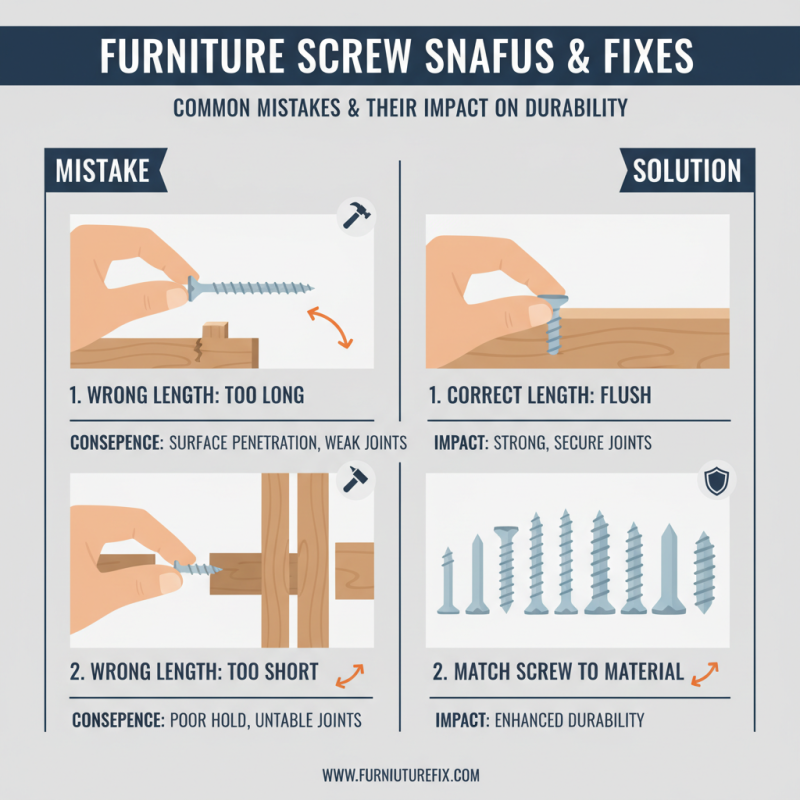
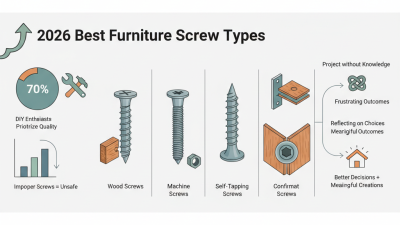
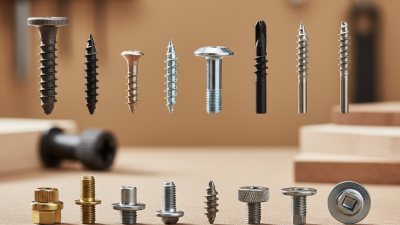
Choosing the right furniture screw is vital for maintaining structural integrity. Different types of screws serve varied purposes. Using the wrong screw can lead to weakened joints and compromised stability. For instance, wood screws work best for wooden furniture, while metal screws are ideal for metal structures. The gauge and length of the screw must also align with the materials being used.
A simple oversight can lead to significant issues. If a screw is too short, it may not hold the furniture together properly. On the other hand, a screw that is too long might split the wood or damage other components. Inadequate fastening can cause furniture to wobble, resulting in not only discomfort but potential accidents as well.
Choosing the right screws requires careful consideration. The material of the furniture, its weight capacity, and the intended use all play a role. Overlooking these details can result in costly repairs or replacements down the road. It is essential to reflect on these choices to ensure that furniture remains safe and durable.
Impact of Screw Types on Furniture Longevity and Durability
Choosing the right screws for furniture is more important than many realize. Different screw types impact the overall strength and durability of furniture pieces. For instance, wood screws and machine screws serve distinct purposes. Using the wrong type can cause joints to loosen, leading to structural weaknesses.
Durability hinges on screw material and design. Stainless steel screws resist rust, while coated screws can prevent corrosion. However, users often overlook these details. A simple mismatch in screw type may lead to early wear and tear. This oversight can result in unstable furniture, diminishing its lifespan significantly.
Installation plays a crucial role, too. Over-tightening screws can strip holes, making repairs challenging. Correct torque is essential for maintaining joint integrity. Ideally, learning these intricacies enhances furniture longevity. Yet, few take time to understand the importance of screws in construction. This gap in knowledge can lead to frustrating setbacks. Overall, mindful choices regarding screws lay the foundation for lasting furniture.
Industry Standards: Materials and Specifications for Furniture Screws
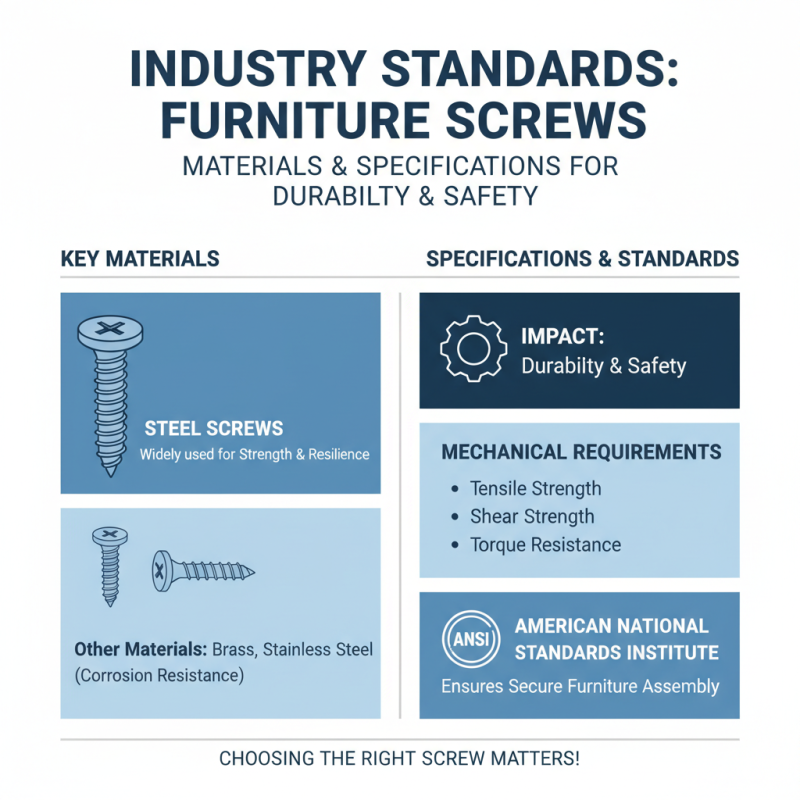
Choosing the right furniture screw is not just a minor detail; it significantly impacts durability and safety. Industry standards dictate specific materials and dimensions for furniture screws. For example, steel screws are widely used for their strength and resilience. According to the American National Standards Institute (ANSI), screws must comply with precise mechanical requirements to ensure they hold furniture components securely.
Screw specifications vary by application. Wood screws, for instance, have sharp tips for easier insertion. They may have different thread types, such as coarse or fine, depending on the material they are meant to connect. Studies show that screws with deeper threads can provide greater grip. However, using the wrong screw can lead to structural failure in furniture, which can be hazardous.
Another critical point is the finish of the screws. Corrosion-resistant coatings are essential, especially for furniture intended for outdoor use. The corrosion resistance must meet standards set by the American Society for Testing and Materials (ASTM). Unfortunately, not all manufacturers adhere to these standards, leading to products that may not perform as expected. This inconsistency highlights the importance of choosing reputable suppliers who comply with established industry guidelines.
Innovation in Fastening Solutions: Trends in Furniture Screw Technology
The world of furniture screws is evolving rapidly. Recent trends show a strong shift towards innovation in fastening solutions. According to a report by the Global Industry Analysts, the furniture fasteners market is projected to reach $2.2 billion by 2026. This growth is fueled by the increasing demand for durable, versatile, and environmentally friendly fastening options.
Innovative materials such as high-strength polymers and advanced coatings are gaining traction. These materials enhance screw performance while reducing corrosion. In addition, self-tapping and self-drilling screws are becoming more common, allowing for easier assembly and improved reliability. Companies are also prioritizing sustainability, producing screws from recyclable materials.
When selecting furniture screws, consider the material and size. Different applications require specific screw types. Using the wrong screw can lead to structural issues, compromising safety and durability. Always test a few screws before making a large order.
Keep in mind the importance of compatibility. A screw designed for wood may not work well with metal. Check manufacturer guidelines to avoid mistakes. Choosing the right screw contributes significantly to the longevity and stability of your furniture, making this decision crucial.