How to Choose the Right Stainless Torx Screw for Your Project?
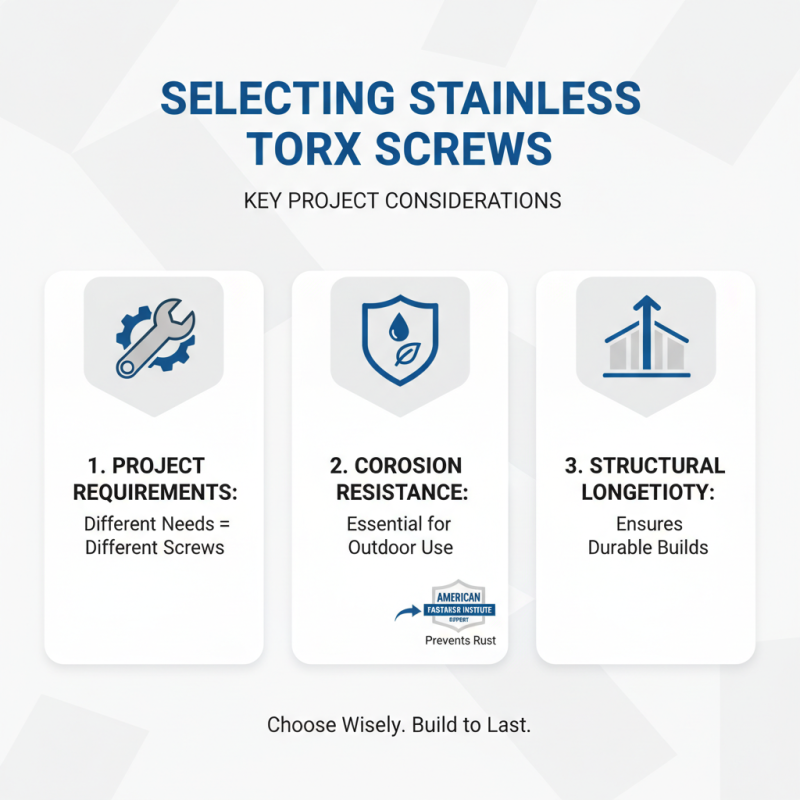
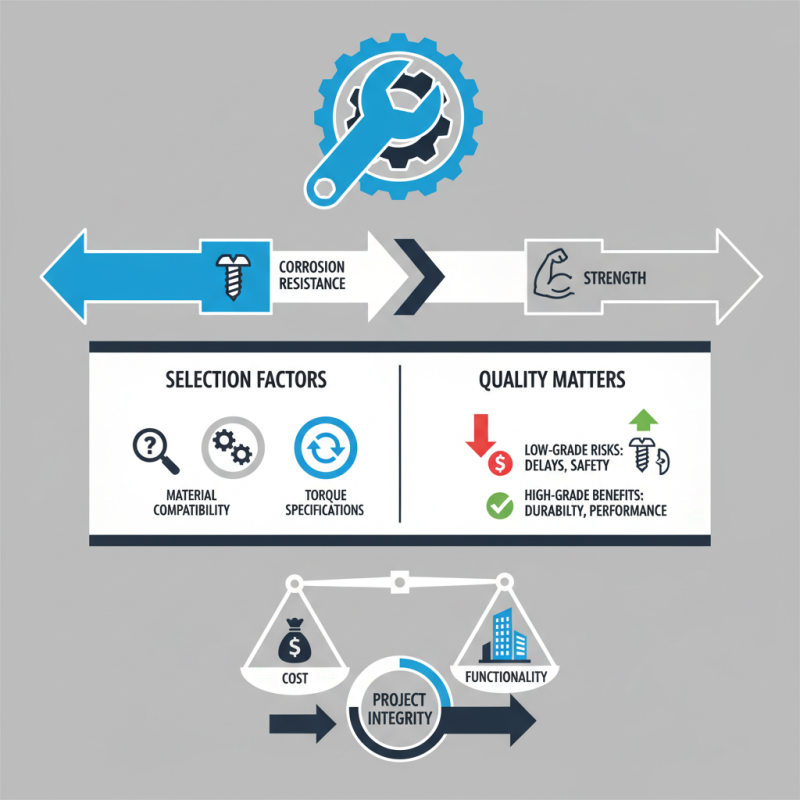
In the world of construction and manufacturing, selecting the right stainless Torx screw is crucial. As noted by industry expert John Peterson, "The right screw can make or break your project." Stainless Torx screws offer superior corrosion resistance and strength, making them popular in various applications.
Choosing the right size and type can be tricky. It's important to consider factors such as material compatibility and torque specifications. Even a small oversight can lead to performance issues down the line. Many underestimate the impact of quality. A low-grade screw may save money but often leads to project delays and safety concerns.
When approaching your selection, reflect on how each screw fits into your project's overall integrity. Remember to balance functionality and cost. A thoughtful choice can enhance durability and performance. In contrast, choosing poorly can result in costly repairs. Thus, the selection process deserves careful thought and attention.
Understanding Stainless Torx Screws and Their Advantages
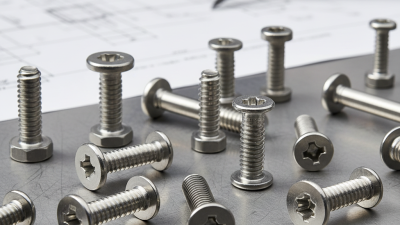
When considering stainless Torx screws, it’s essential to understand their advantages. These screws are made of corrosion-resistant stainless steel. This makes them ideal for both indoor and outdoor projects. Their unique design features a star-shaped socket, which allows for better grip. This reduces the risk of cam-out, where the screwdriver slips out of the screw head. With a well-designed Torx screw, you can achieve a more secure fit.
In addition, stainless Torx screws offer durability and strength. They withstand harsh weather conditions and resist rust. If you’re working on a project exposed to moisture, these screws are a smart choice. However, not all projects may require them. Assessing your specific needs can save time and money. It’s also worth considering that while they are reliable, they can be more difficult to find than standard screws. Sometimes, people overlook the importance of the screw type used in their projects, risking suboptimal outcomes.
Evaluating Different Materials and Coatings for Durability
When selecting stainless Torx screws, the material and coating greatly influence durability. A common choice is 18-8 stainless steel, which resists rust. However, 316 stainless offers even greater corrosion resistance. This makes it suitable for marine applications or harsh environments.
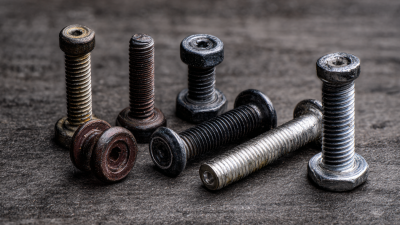
Coatings also play a critical role. Options like zinc plating add extra protection but may wear off. This could lead to rust over time. Consider the environment where the screws will be used. If exposure to saltwater is likely, opting for screws with a robust coating is essential.
Understanding the environment and usage will guide your choice. Think about heat, moisture, and chemicals. It’s also crucial to acknowledge that even the best materials can fail under extreme conditions. Testing different types may be necessary to find the most suitable solution for your project.
Durability Comparison of Different Stainless Screw Materials
This chart compares the corrosion resistance of different types of stainless steel screws used in various projects. Higher ratings indicate better resistance, making them more suitable for harsh environments.
Selecting the Appropriate Size and Length for Your Application
When selecting the right size and length of stainless torx screws, precision is key. The diameter of the screw should fit snugly in the pre-drilled hole. If the screw is too small, it won't offer the necessary grip. If it’s too large, it may damage the material. A good rule of thumb is to use a screw that matches the hole's diameter closely.
Length is just as critical. A screw that's too short may not penetrate deeply enough, leading to a weak hold. On the other hand, an overly long screw can puncture through the other side, causing damage. Measure the thickness of the materials you’re working with. Then, add extra length for the desired grip. It’s also wise to consider the type of material being screwed into. Some materials require longer screws for proper anchoring.
Don’t forget about the application. If you’re working outdoors, consider the corrosion resistance of the screw. Will it face harsh weather? Reflect on whether your chosen length and size will withstand these elements. Choosing the right stainless torx screw requires careful thought, as mistakes can lead to costly repairs down the line. Each project can teach a lesson, often highlighting areas for improvement in future selections.
Tips for Proper Installation and Usage of Stainless Torx Screws
Choosing the right stainless Torx screw is just the beginning. Proper installation is crucial. Start with a clean surface. Remove any dust or debris. This ensures a tight fit. Use the appropriate size Torx driver. A misfit can lead to stripping, which is frustrating.
When inserting screws, apply steady pressure. Over-tightening can compromise the integrity of the material. If you feel resistance, don't force it. Back off and reassess the angle. Sometimes the screw may need to be repositioned. Remember, it's okay to take your time to find the right approach.
Regularly check your work during installation. Look for any signs of misalignment. In some cases, a screw may not sit flush. This could indicate an underlying issue with the material. Adjustments might be necessary. Don't hesitate to start again if needed. A well-installed screw contributes to the overall success of your project.