2026 How to Choose the Best Custom Carriage Bolts for Your Needs
When it comes to construction or DIY projects, choosing the right fasteners is crucial. Custom Carriage Bolts stand out for their versatility and strength. These bolts are designed to fulfill specific requirements and preferences. From varying lengths to unique head styles, custom options can make all the difference.
In today’s marketplace, numerous factors influence the choice of Custom Carriage Bolts. Quality materials, corrosion resistance, and precise dimensions should always be key considerations. However, many users overlook these aspects and choose based on appearances alone. This can lead to unsuitable selections, resulting in project delays and increased costs.
Understanding your project’s needs is paramount. Consider the load the bolts will bear and the materials they will connect. Custom Carriage Bolts can be tailored to fit, but that requires thoughtful planning. Reflect on past experiences when selecting fasteners. Mistakes should guide your current choices and ensure that you achieve lasting results.
Understanding Custom Carriage Bolts: A Comprehensive Overview
Understanding custom carriage bolts is crucial for making informed decisions in projects requiring secure fastening. These specialty bolts feature a rounded head with a square neck, providing exceptional grip. They are often used in wood construction, furniture assembly, and outdoor structures, ensuring strong and reliable connections. By understanding their design, you can select the right type for your specific needs.
When choosing custom carriage bolts, consider the material. Stainless steel bolts are durable and resist corrosion, ideal for outdoor use. Carbon steel is a more economical option but may not withstand harsh conditions. Also, think about the size and length needed for your project. Too short, and the connection may fail; too long, and it may be difficult to install.
A key aspect of selecting these bolts is to match them with appropriate nuts and washers. This enhances stability and gives you peace of mind in the strength of your assembly. Sometimes, you might have a project that doesn’t go as planned. Adjustments may be necessary. Pay attention to the installation process and ensure everything fits snugly. Consider testing a small section before full assembly; it helps in identifying potential errors. The goal is a secure, lasting connection that meets your expectations.
Types of Custom Carriage Bolts: Materials and Finishes Explained
When it comes to custom carriage bolts, material selection is crucial. Common materials include carbon steel, stainless steel, and brass. Carbon steel offers high tensile strength but lacks corrosion resistance. In contrast, stainless steel is favored for its durability and rust-proof properties. According to industry data, approximately 90% of construction projects prefer stainless steel for outdoor use due to its longevity.
Finishes play a significant role in enhancing the performance of carriage bolts. Common finishes include zinc plating, black oxide, and hot-dip galvanizing. Zinc plating is often used for aesthetic purposes and moderate corrosion resistance. However, its protective layer can wear off quickly under harsh conditions. Hot-dip galvanizing provides a thicker coating, ensuring better protection in aggressive environments. It is ideal for marine applications where salt exposure is a concern.
Choosing the right bolt requires understanding trade-offs. Each material and finish has its own benefits and limitations. For example, while brass offers a unique look, its lower strength makes it unsuitable for heavy loads. Additionally, many users overlook how environmental conditions impact their choice. This can lead to premature failures, leading to costly repairs and project delays. Awareness of these factors can guide users toward the best decisions for their specific needs.
Factors to Consider When Selecting Custom Carriage Bolts for Projects
When selecting custom carriage bolts for your projects, several important factors need careful consideration. Material choice is crucial. Common options like stainless steel and carbon steel offer different strengths and corrosion resistance. The environment of your project will dictate which material to select. For outdoor use, stainless steel might be preferable due to its rust resistance.
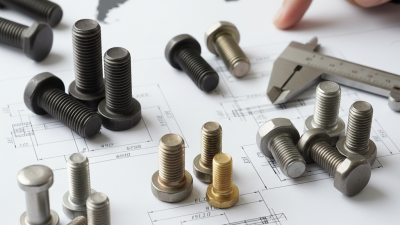
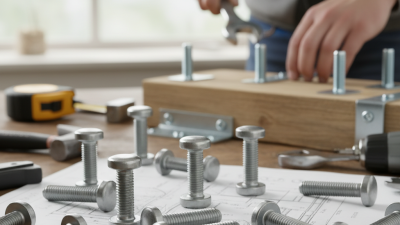
Additionally, the size and dimensions of the bolts play a significant role. You need to think about the diameter, length, and head style. A bolt that is too long might protrude, creating safety hazards. Conversely, a bolt that is too short may not provide adequate support. It's beneficial to take accurate measurements before placing an order.
Don't overlook the importance of coating and finish. Options like galvanized or powder-coated surfaces can enhance durability. These choices can also improve aesthetics, depending on your project. However, remember that not every coating is equal, and some may chip or wear quickly. Always research to identify the right finish for your needs. This process involves trial and error, as selecting the right components can significantly impact the outcome of your project.
Assessing Load Capacity and Size Requirements for Custom Bolts
When selecting custom carriage bolts, understanding load capacity is crucial. Load capacity refers to the maximum weight the bolts can handle. Ignoring this factor can lead to failures. Always assess how much weight will be applied to the bolts in your application. This ensures safety and longevity. Different materials have different load capacities, so it is essential to choose accordingly.
Next, size requirements play a vital role in your choice. Measure both the diameter and length needed for your project. Incorrect sizing can lead to instability. Pay attention to the bolt head and thread specifications, as these affect how well the bolt will perform. It might be easy to overlook these details, but they can significantly impact the effectiveness of your installation. Custom options allow you to get the perfect fit, but it is important to have accurate measurements.
In the end, experience helps. Speak with professionals who understand your needs. Ask questions about materials and load calculations. It’s okay to feel uncertain. Learn from the process. Each project is unique, and taking the time to understand these factors can enhance your results significantly.
Common Applications and Best Practices for Custom Carriage Bolts
Custom carriage bolts are versatile fasteners used in various applications. They are designed with a rounded head and a square neck, which prevents rotation during installation. This feature makes them ideal for securing wood connections and metal joints. Common applications include furniture assembly, construction projects, and even automotive repairs. Choosing the right carriage bolt can significantly affect the durability and strength of your project.
When selecting custom carriage bolts, consider the material. Steel bolts are strong and affordable, while stainless steel offers corrosion resistance. The length of the bolt is also crucial. Measure the thickness of the materials being joined to ensure a proper fit. Additionally, be mindful of load requirements. Using bolts that are too small can lead to failure. On the other hand, oversized bolts may create unnecessary stress on the materials.
Mistakes can happen during installation. It's vital to double-check your measurements and selections. Using the wrong type can result in weak joints or damage to the components. Safety should always be a priority. Evaluate the working environment and conditions, as extreme temperatures or moisture levels may impact the bolt's performance. Engaging with experienced professionals can provide insights that enhance your project's success.
2026 How to Choose the Best Custom Carriage Bolts for Your Needs - Common Applications and Best Practices for Custom Carriage Bolts
| Type of Steel |
Corrosion Resistance |
Common Applications |
Head Style |
Finish Options |
| Carbon Steel |
Moderate |
Furniture, Handrails |
Round |
Zinc Plated |
| Stainless Steel |
High |
Outdoor Structures, Marine Applications |
Square |
Polished |
| Alloy Steel |
Moderate |
Heavy Machinery, Automotive |
Round |
Black Oxide |
| Brass |
Low |
Decorative Items, Electrical Applications |
Round |
Natural |