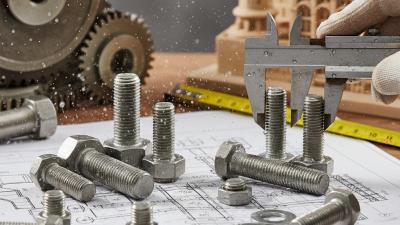
Top Tips for Choosing the Right Stainless Bolts for Your Needs?
Choosing the right stainless bolts is crucial for any project. John Smith, a leading expert in fasteners, once stated, “The right choice of stainless bolts can make or break your assembly.” Understanding the specific requirements of your application is key. Different projects demand varying tensile strength, corrosion resistance, and thread types.
Stainless bolts come in various grades, such as 304 and 316, each offering unique advantages. For instance, grade 316 is more resistant to saltwater corrosion than grade 304. Selecting the correct grade is essential to ensure longevity and performance. Many people underestimate the importance of this decision, leading to costly repairs later.
Additionally, the size and length of your stainless bolts play a significant role. Using bolts that are too short or too long can cause issues in stability and alignment. It’s vital to assess the load conditions and material thickness in your application. Remember, in the stainless bolts industry, precision matters greatly. Choosing wisely today saves headaches tomorrow.
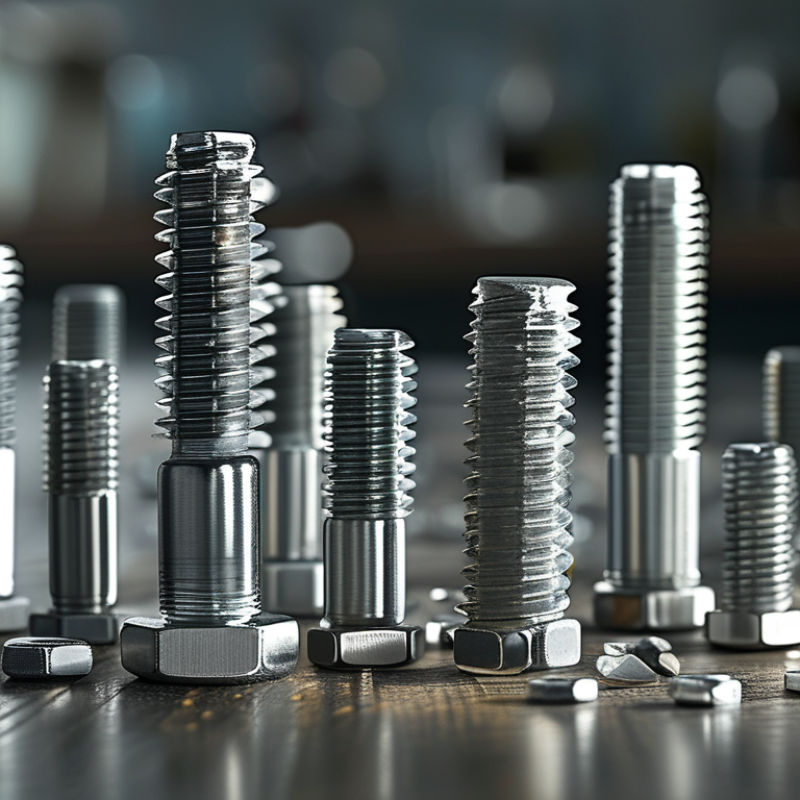
Understanding Different Types of Stainless Steel Bolts Available
When selecting stainless steel bolts, it’s crucial to understand the types available. Different grades of stainless steel exist. The common grades include 304 and 316. Grade 304 offers good corrosion resistance, while 316 excels in more aggressive environments. According to recent industry reports, 316 stainless steel is preferred in marine applications due to its higher molybdenum content. This enhances its resistance to pitting.
Choosing the right bolt requires attention to material type and environmental factors. Consider the conditions where the bolt will be used. Corrosive environments demand higher-grade materials. Additionally, the load-bearing requirements should not be overlooked. Metrics such as tensile strength and yield strength are essential considerations. An underestimating bolt can lead to failures down the line.
Tip: Always check the specifications provided by manufacturers. They often include data on load limits and environmental resistance. This information can guide your choice effectively. Another tip: evaluate your long-term needs. Short-term solutions may not be cost-effective if they require frequent replacements. Taking the time to analyze your needs can save hassle in the future.
Evaluating Strength and Corrosion Resistance for Specific Applications
When selecting stainless bolts, evaluating their strength is crucial. The application dictates the load requirements. For heavy-duty uses, consider high-strength stainless alloys. They provide better tensile strength but may come at a higher cost. Look into the bolt's grade as an indicator of its performance under stress. Some users might overlook this aspect, which could lead to failures in critical applications.
Corrosion resistance is another essential feature to assess. Environments exposed to moisture, chemicals, and salt demand bolts that can withstand corrosion. A304 stainless steel is common. For harsher conditions, A316 offers superior resistance. Think about the specific environmental factors where the bolts will be used. An incorrect choice can result in premature failure and costly repairs. Testing different materials in real-world scenarios can provide insights into their long-term reliability. Always reflect on these factors before making a decision.
Considerations for Size, Length, and Thread Type in Bolt Selection
When selecting stainless bolts, size is crucial. A bolt’s diameter significantly affects its strength and load-bearing capacity. A too-small bolt may bend or break under pressure. Conversely, an oversized bolt can lead to unnecessary weight and space issues. Take precise measurements of your project requirements before making a decision. A small error in size can lead to failures down the line.
Length is another factor to consider. The bolt length should be adequate to ensure a secure hold without protruding excessively. This can prevent injury and ensure a cleaner look in your project. Often, a bolt that is slightly shorter than needed might not provide enough grip, while one that is too long can create threading problems. Always evaluate the thickness of the materials being fastened to determine the right length.
Thread type is essential as well. Standard and fine threads have different applications. For softer materials, a coarse thread may provide better grip. However, fine threads are better for alignment and load distribution. Misjudging the thread type can lead to misalignment or stripping. Take time to understand the requirements of your application before making your selection on this essential component.
Examining Finish Options and Their Impact on Performance
Choosing the right stainless steel bolts requires careful consideration of finish options. The finish can significantly impact performance, especially in corrosive environments. Reports indicate that over 30% of fastener failures can be attributed to inadequate surface treatment. For instance, opting for a passivated finish can enhance corrosion resistance by up to 50%.
Different finishes serve distinct purposes. A polished finish may provide aesthetic appeal but lacks the protective qualities of a coated option. A coating like Xylan can increase resistance to chemicals and physical wear. Yet, this can raise costs and production time, which might not suit every application.
Ultimately, understanding how each finish aligns with project requirements is crucial. Research from industry experts shows that selecting the right bolt finish can lead to a 15% increase in lifespan for critical applications. It's essential to weigh these factors carefully to avoid potential pitfalls in the long run.
Top Tips for Choosing the Right Stainless Bolts for Your Needs
Tips for Sourcing High-Quality Stainless Steel Bolts and Suppliers
When sourcing high-quality stainless steel bolts, understand the specifications you need. Pay attention to standard classifications, such as ASTM A193 and ASTM A320. These standards ensure that the bolts meet specific tensile and yield strength requirements. According to the American Iron and Steel Institute (AISI), Type 304 and Type 316 stainless steel are the most common grades used in bolt production. Type 316 is preferred in marine or highly corrosive environments due to its superior resistance to pitting.
Finding reliable suppliers is crucial. Look for manufacturers with ISO certifications, as this indicates adherence to international quality standards. A recent report from the Global Stainless Steel Reinforcement Market highlights that a significant portion of stainless steel products rarely meets industry standards. Hence, conducting thorough research is essential. Request test certificates for the bolts you're purchasing. Reviewing third-party testing or industry certifications can provide assurance of quality and reliability.
It’s vital to evaluate suppliers not just on price, but on their track record. Reading customer feedback can reveal potential issues or patterns. Some suppliers may offer attractive prices, but at the cost of quality. Don’t hesitate to ask for references or case studies related to the specific bolts you are interested in. Remember, selecting the right supplier can significantly impact the performance and safety of your projects.