What Are the Top Types of Torx Screws?

Choosing the right Torx Screw begins with understanding its shape, drive size, material, and intended application. A star-shaped recess transfers torque more evenly than many traditional screw heads. It can reduce slipping, protect the driver, and improve control during installation. Still, a Torx Screw is not automatically the best choice for every project.

Fastening-systems consultant Dr. Ian Park explains, “The best Torx Screw matches the load, material, and tool—not just the visible head pattern.” That practical view matters on a workshop bench. A T10 screw may fit a small electronic housing, while a T30 version may suit furniture hardware or automotive components. The wrong size can damage the recess quickly. It happens more often than people admit.

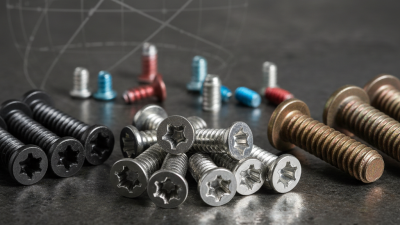
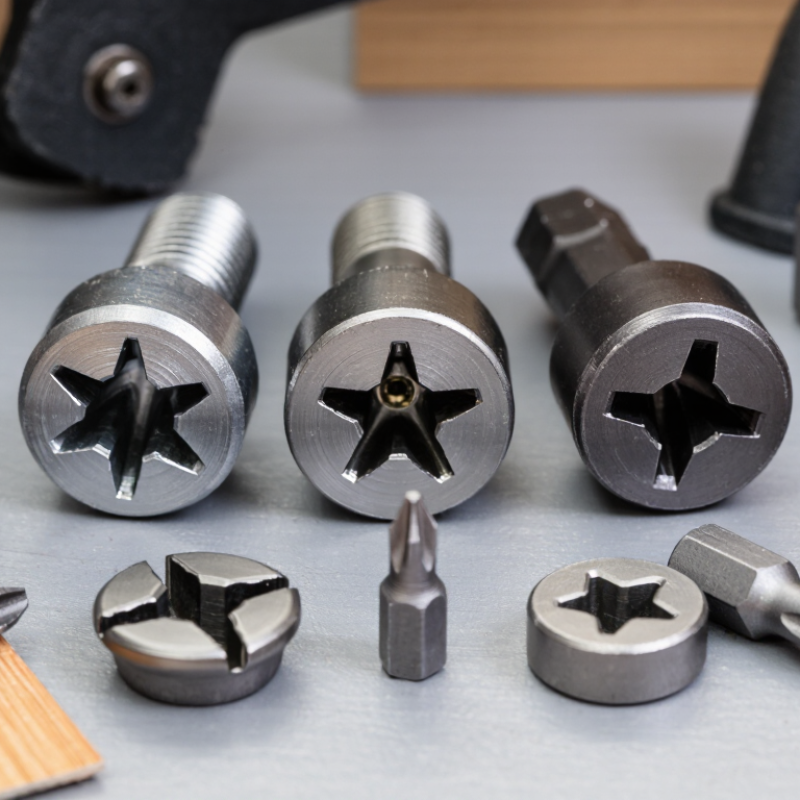
This guide examines the top types of Torx screws, including standard, security, external, low-profile, and self-tapping designs. Each type has a different purpose. Standard Torx screws work well for general assembly. Security versions add a center pin, making casual removal more difficult. External Torx screws use a star-shaped head outside the fastener, requiring a matching socket.

Real-world selection is less perfect than product charts suggest. Surface coatings vary. Driver quality varies too. A stainless-steel screw may resist corrosion but behave differently under high torque. Readers should check the manufacturer’s specifications before installation. Small details matter. A clean bit, steady pressure, and correct torque can prevent stripped heads and wasted parts.
What Are the Top Types of Torx Screws?

What Are Torx Screws and How Do They Work?

Torx screws use a six-point, star-shaped recess to transfer turning force from a matching driver. The recess gives the tool more contact than a traditional cross-shaped head. This reduces slipping, especially when a fastener needs strong tightening. The driver’s tips press against the recess walls instead of relying on sharp corners alone. Less damage can occur.

Standard Torx screws are common in furniture, vehicles, appliances, and machinery. Security Torx screws include a small pin in the center, so they require a driver with a matching hole. External Torx fasteners have a star-shaped head on the outside. They need a socket rather than an internal driver. Sizes vary, and a nearly correct size can still strip the recess.

I have found that cleaning dust from the recess improves tool engagement. Push the driver straight down, then apply steady pressure while turning. A loose fit is a warning sign. I once forced a similar-sized driver into a tight screw, and the recess became visibly rounded. That mistake was avoidable. Rust, paint, and excessive torque can create the same problem. For precise work, use a calibrated torque tool and follow the fastener’s specifications. Even strong Torx designs are not immune to careless handling.

Common Torx Sizes and Representative Torque Capacity

Torx screws use a six-lobed star-shaped recess that transfers torque efficiently and reduces cam-out compared with many conventional drive profiles. The chart shows representative torque capacities for commonly used internal Torx sizes; actual limits vary with screw grade, material, engagement depth, and fastener dimensions.

What Are the Main Types of Torx Screw Heads?

Main Types of Torx Screw Heads

Hexalobular screws are often grouped by their drive and head shape. The standard internal hexalobular head has a six-lobed recess and transfers torque with less slipping than many cross-shaped drives. ISO 10664 defines the internal driving feature, helping manufacturers maintain consistent dimensions. Common head profiles include pan, button, flat, and countersunk forms. Each profile changes how the fastener sits against the material.

Security hexalobular screws add a central pin inside the recess. A matching bit with a hollow center is required. They are useful where casual removal should be discouraged, but they are not a complete security system. External hexalobular screws place the lobed pattern on the outside of the head. They work with a socket and suit applications needing higher access speed. Low-profile heads reduce clearance problems, although their smaller contact area can limit torque.

The Freedonia Group’s Industrial Fasteners analysis identifies automotive, machinery, and construction as major demand sectors. That pattern explains the wide head selection. Automotive assemblies often favor compact, recessed heads. Machinery may prioritize repeated tool access. Construction usually demands stronger seating and visible inspection. In practice, head names can overlap between suppliers. I have found that confusing the drive type with the head profile causes more mistakes than expected. Check the drawing, recess depth, and required bit before ordering. A good fit matters.

How Do Security Torx Screws Differ from Standard Torx Screws?

What Are the Top Types of Torx Screws?

Torx screws use a six-lobed, star-shaped recess for controlled torque. Common types include standard Torx, security Torx, external Torx, and low-profile Torx screws. Standard Torx screws have an open central recess. They work with ordinary Torx drivers and are common in machinery, electronics, furniture, and vehicle components.

Security Torx screws look similar, but a small metal pin rises from the recess center. A matching security Torx driver has a drilled hole to fit over that pin. This design discourages casual access and helps prevent use of the wrong tool. It does not create absolute protection. A determined person may still remove the fastener with suitable equipment. The pin also makes alignment less forgiving. I have found that a slightly worn driver can slip quickly, especially when the screw sits deep inside a narrow housing.

Tips: Check the size before applying force. The driver should sit fully in the recess, with no rocking movement. Keep steady pressure while turning slowly. If the screw feels tight, inspect the pin and driver hole for dirt. A clean fit matters. Avoid substituting a standard driver, because it may damage the screw or leave sharp edges around the recess. For repeated assembly, record the correct size and tightening setting. That small note can prevent guesswork later, although real-world tolerances are not always perfect.

What Are the Top Types of Torx Screws? — How Do Security Torx Screws Differ from Standard Torx Screws?

Torx Screw Type Drive Design Required Tool Typical Applications Resistance to Common Tools Key Benefits
Standard Internal Torx Screw Six-lobed recess formed inside the screw head Matching six-point Torx driver or bit Machinery, vehicles, appliances, furniture, electronics, and general assembly Low resistance to the correct driver; not designed as a tamper-resistant fastener Good torque transfer, reduced cam-out, and consistent installation
Security Torx Screw Six-lobed recess with a raised pin in the center Security Torx bit with a central hole Public equipment, access panels, electronics, HVAC units, and assemblies where unauthorized removal should be discouraged Higher resistance to a standard Torx bit because the center pin blocks insertion Maintains the torque advantages of Torx while adding basic tamper resistance
External Torx Screw Six-lobed Torx shape projects outward from the head External Torx socket Automotive, industrial, and mechanical components requiring socket access Not intended to prevent access; the correct external socket is needed Supports high torque and works well where a socket wrench is preferred
Low-Profile Torx Screw Internal Torx recess in a head designed for limited clearance Matching Torx driver with suitable reach and size Compact devices, panels, brackets, and applications with restricted space Similar to a standard Torx screw unless a security pin is also included Saves space and provides a flush or near-flush installation
Self-Tapping Torx Screw Torx drive combined with threads that form or cut mating threads during installation Matching Torx driver or bit Sheet metal, plastics, light-gauge materials, and some wood or composite assemblies Not inherently tamper-resistant; security versions may include a center pin Can reduce the need for a preformed internal thread and offers reliable drive engagement
Torx Drive Wood Screw Internal six-lobed recess with wood-oriented thread geometry Matching Torx driver or bit Timber framing, cabinetry, decking, and general woodworking Standard access unless manufactured with a security-style recess Improves bit engagement and helps reduce stripping during power-tool installation
Main Difference: A standard Torx screw has an open six-lobed recess that accepts a regular Torx bit. A security Torx screw has the same six-lobed profile plus a center pin, so it requires a hollow security Torx bit. The security design discourages casual or unauthorized removal but does not provide complete protection against determined access.

Which Torx Screws Fit Different Materials and Applications?

Torx screws use a star-shaped recess that transfers torque efficiently and reduces driver slip. The right type depends on the material, load, and working environment. Standard Torx machine screws suit metal frames, appliances, and equipment with threaded holes. Pair them with matching nuts when the material cannot hold threads securely.

Wood and composite boards often need Torx wood screws with sharp points and coarse threads. Their deep recess helps maintain control during installation. For hardwood, a slimmer screw and a pilot hole can reduce splitting. Self-tapping Torx screws work well with thin sheet metal, aluminum, and some plastics. Choose a screw with suitable thread spacing. Aggressive threads may crack brittle plastic.

Tamper-resistant Torx screws include a center pin, which helps discourage casual removal. They fit public fixtures, panels, and service covers, but require a compatible security driver. External Torx screws place the star shape on the screw head’s outside. They are useful where a socket provides stronger access, especially in mechanical assemblies.

Size matters more than many installers expect. A loose driver can damage the recess before the screw reaches full depth. I check the bit fit by hand, then drive at moderate speed. It matters. Stainless steel can resist corrosion, while coated steel may provide better value in dry indoor work. I have learned that “universal” selection is often too vague. Material thickness, pilot-hole size, and corrosion exposure still need careful review.

How Can You Choose the Right Torx Screw Type?

Choosing the right Torx screw starts with the joint, not the screw’s appearance. Common types include pan-head, flat-head, button-head, washer-head, and security Torx screws. A flat-head screw sits nearly flush in a countersunk hole. A pan-head screw leaves more material above the surface and suits general fastening. Button-head screws offer a low profile, while washer-head versions spread pressure across softer materials.

Match the drive size carefully. A loose bit can round the six-point recess, even when the screw looks suitable. Check the required Torx size, thread diameter, length, and material before installation. Stainless steel resists corrosion in damp areas, while hardened steel may handle higher mechanical stress. The wrong thread can split wood, damage plastic, or weaken a metal connection. Do not rely on color alone. Coatings vary.

Tips: Test one screw in a spare piece first. The bit should seat fully with minimal movement. Use a security Torx type when a center pin blocks standard tools, but confirm that maintenance access is still practical. Apply steady pressure and keep the driver aligned. I have seen rushed installations fail because the head style was chosen correctly, but the length was not. That detail deserves another check.