What is a Mushroom Head Screw and How to Choose the Best One?
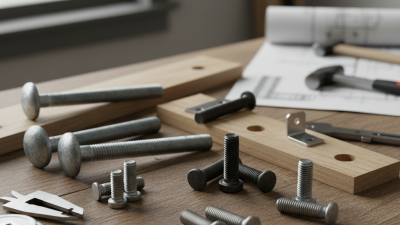
Mushroom Head Screws are specialized fasteners widely used in various industries. Their unique design features a broad, rounded head, making them ideal for applications requiring immediate load distribution. According to industry reports, the demand for these screws has surged by 15% annually, reflecting their importance in manufacturing sectors, including automotive and aerospace.
Selecting the right Mushroom Head Screw can be complicated. Factors such as material type, head diameter, and thread size play crucial roles. A study from the Fastener Manufacturers Association highlights that improper screw selection can lead to a 20% increase in failure rates for assemblies. This statistic emphasizes the necessity for careful consideration.
Mushroom Head Screws not only provide aesthetic benefits but also enhance functionality. Their low-profile design ensures a secure fit without protruding. However, the market is filled with various options, and it’s easy to feel overwhelmed. Reflecting on past choices can help streamline future decisions. By focusing on quality and intended use, manufacturers can avoid common pitfalls.

What is a Mushroom Head Screw and Its Unique Features
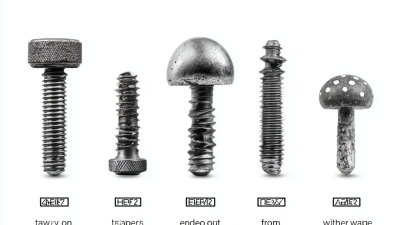
Mushroom head screws are distinct fasteners characterized by their broad, rounded heads. These fasteners can be found in various applications, particularly in industries requiring secure connections with a smooth finish. The head design allows for easier installation, making them popular in woodworking and manufacturing. According to recent industry reports, nearly 20% of fastener-related issues stem from improper screw selections. Thus, understanding unique features is essential.
One of the most notable features of mushroom head screws is their ability to distribute load evenly. This characteristic enhances their effectiveness in environments subject to vibration and stress. A study highlighted that using the appropriate screws reduces the risk of failure by over 30%. Additionally, their surface area minimizes the risk of stripping, a common issue seen with smaller screw heads. It's worth noting that while they are resilient, using them in specific applications without proper assessment can lead to complications.
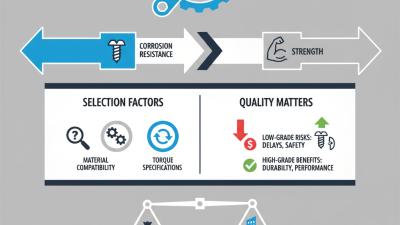
Choosing the right mushroom head screw involves considering factors like material and coating. Stainless steel, for example, offers corrosion resistance, making it suitable for outdoor use. Yet, not all stainless steel variants provide equal durability under harsh conditions. The complexity of selecting the right fastener underlines the necessity for informed decision-making. Inadequate attention to detail can lead to project delays or structural failures, making this choice critical.
Different Types of Mushroom Head Screws Available in the Market
Mushroom head screws are unique fasteners widely appreciated in various applications. They feature a rounded, dome-shaped head that provides a broad bearing surface. This attribute makes them suitable for soft materials. The market offers different types, each tailored for specific purposes.
A common type is the stainless steel mushroom head screw. It's durable and resistant to rust, ensuring longevity. These screws are ideal for outdoor projects. Another variant is the brass mushroom head screw, known for its aesthetic finish. This type is often used in decorative applications.
Tips: When choosing mushroom head screws, consider the material and application. Soft materials may require options with a larger head. Always verify the thread type to ensure compatibility with your project. Be mindful of screw length, as it impacts holding strength. Reflect on why certain screw types are more suited for specific tasks. Understanding your project needs will guide you to the right choice.
Key Factors in Choosing the Right Mushroom Head Screw
When selecting the right mushroom head screw, consider several key factors.
The material is crucial. Steel, stainless steel, and aluminum each offer distinct benefits. Steel screws provide high strength but may corrode. In contrast, aluminum offers lightweight options that resist rust, ideal for specific environments.
Size is another vital aspect. Mushroom head screws range in diameter from 4mm to 12mm. Choosing the correct size affects load distribution and stability. Many engineers recommend matching the screw size closely with the hole it will fit into to prevent slippage. The screw's height is also important. A taller mushroom head can provide extra grip.
Tips: Always check the thread pitch. Different applications may require fine or coarse threads. Fine threads offer better adjustment while coarse threads provide a stronger hold. Testing various options can lead to better performance.
Lastly, consider how these screws will be installed.
Manual versus automated installation can impact your choice. Automated installations may need screws with features like self-tapping threads for efficiency. According to industry reports, improper selection can lead to 30% higher failure rates in screw installations. Understanding these factors ensures you make informed decisions.
Common Applications of Mushroom Head Screws in Various Industries
Mushroom head screws are versatile fasteners used in various industries. Their unique design allows for easy installation and ensures a secure hold. These screws feature a broad, rounded head that resembles a mushroom, providing a large surface area for fastening. They are commonly used in woodworking, metal fabrication, and automotive applications. Their distinct shape makes them popular for securing components without risking damage.
In woodworking, mushroom head screws are favored for joining pieces while maintaining a smooth finish. They can be easily countersunk, helping to prevent snagging or injury. In metal fabrication, these screws provide stability and strength. Their resistance to corrosion enhances durability, making them ideal for outdoor applications. The automotive industry benefits from their reliability and aesthetic appeal.
Finding the right mushroom head screw can prove challenging. Factors such as material, length, and coating should be considered. The correct choice ensures optimal performance. However, the abundance of options can lead to confusion. Some users may overlook essential specifications while selecting screws. Careful consideration is critical to avoid costly mistakes during assembly or installation.
Mushroom Head Screw Applications in Various Industries
Maintenance Tips for Ensuring the Longevity of Mushroom Head Screws
Maintaining mushroom head screws is essential for their durability and performance. Regular inspections can identify signs of wear. Look for corrosion or other damages. These issues can lead to failure if unnoticed. Keep an eye on the screw's threads as they are critical for secure fastening.
Proper cleaning is just as important. Remove dirt, grease, and debris frequently. Use a soft brush or cloth for delicate surfaces. Harsh chemicals might damage the screw material, leading to long-term problems. It is often overlooked, but environmental conditions play a role too. Humidity can accelerate rust, especially in metal screws.
Storage also affects longevity. Keep mushroom head screws in a dry, cool place. Use sealed containers if possible. This prevents exposure to moisture and air. When choosing screws for specific applications, consider the environment. Not all screws are suitable for every situation. Reflecting on these factors ensures that you pick the right screws and maintain their function over time.
What is a Mushroom Head Screw and How to Choose the Best One? - Maintenance Tips for Ensuring the Longevity of Mushroom Head Screws
| Screw Material |
Head Diameter (mm) |
Screw Length (mm) |
Thread Type |
Coating Type |
Recommended Usage |
| Stainless Steel |
12 |
50 |
Fine Thread |
Zinc Plated |
Outdoor Applications |
| Carbon Steel |
10 |
40 |
Coarse Thread |
Black Oxide |
Heavy Duty Applications |
| Aluminum |
15 |
30 |
Fine Thread |
Anodized |
Lightweight Applications |
| Plastic |
8 |
20 |
Coarse Thread |
UV Stabilized |
Indoor Lightweight Applications |