What is Mushroom Head Screw and Its Applications in Industry?
Mushroom Head Screws are increasingly essential in various industries. These fasteners are known for their unique design, providing a broad head that distributes load effectively. According to Dr. Alice Thompson, a leading expert in fastening technologies, "Mushroom head screws offer exceptional grip and stability, making them vital for structural applications."
Their applications span construction, automotive, and manufacturing sectors. In construction, the mushroom shape reduces damage to materials and enhances safety. In automotive design, they deliver better torque, ensuring reliability. However, the choice of the right mushroom head screw can be tricky. Not all screws fit every application seamlessly.
Challenges remain in selecting the correct size and material. Factors like corrosion resistance and load-bearing capacity are crucial. Even experienced professionals sometimes overlook these details. This raises questions about best practices in selecting and implementing mushroom head screws in projects. The industry must continuously adapt to improve the use of these fasteners, ensuring efficiency and safety.
Definition and Characteristics of Mushroom Head Screws
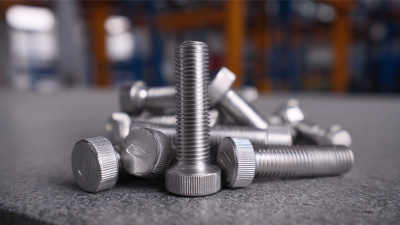
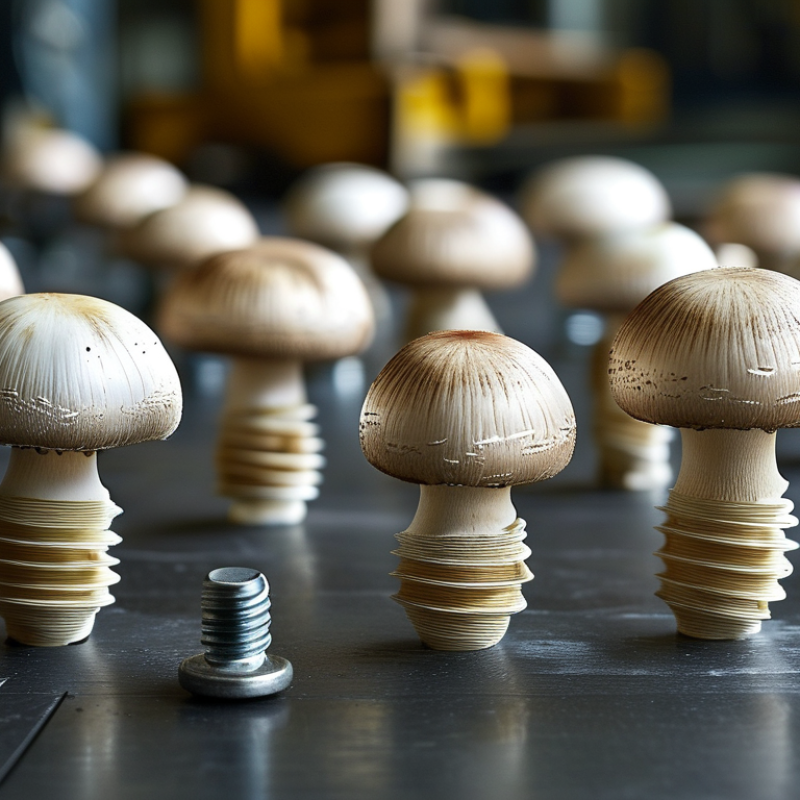
Mushroom head screws, characterized by their rounded, dome-like heads, serve various functions in numerous industries. These screws offer a wide bearing surface, which enhances their ability to distribute load. Their unique shape makes them ideal for applications requiring a secure grip and resistance to loosening. Commonly used in furniture assembly, automotive parts, and electrical connections, they are valued for both strength and aesthetic appeal.
Tips: When selecting mushroom head screws, consider the material and finish. Stainless steel provides durability in harsh environments. A finish can improve corrosion resistance. Ensure compatibility with the application to avoid failure.
Despite their advantages, there are challenges. Improper installation can lead to stripped threads. Over-tightening may compromise integrity. It’s essential to ensure correct torque settings during assembly. Regular inspections can prevent unforeseen issues, making these screws reliable for long-term use.
What is Mushroom Head Screw and Its Applications in Industry? - Definition and Characteristics of Mushroom Head Screws
| Dimension |
Value |
Material |
Typical Applications |
| Diameter |
3 mm - 12 mm |
Stainless Steel |
Electronics |
| Head Height |
1 mm - 5 mm |
Carbon Steel |
Automotive |
| Thread Pitch |
0.5 mm - 2.0 mm |
Aluminum |
Construction |
| Finish |
Zinc Plated |
Brass |
Marine Applications |
| Strength |
High tensile strength |
Titanium |
Medical Devices |
Materials Used in Mushroom Head Screw Manufacturing
Mushroom head screws are fasteners designed with a rounded, dome-shaped head. These screws are made from various materials, offering different benefits depending on application needs. Common materials include stainless steel, carbon steel, and plastic. Each has its strengths, shaping the overall performance of the screw.
Stainless steel is often selected for its corrosion resistance. This makes it ideal for outdoor and high-moisture environments. Carbon steel, with its higher strength, is frequently used in heavy-duty applications. However, it is less resistant to rusting. For light-duty needs, nylon mushroom head screws provide a lightweight and non-corrosive option. They are useful where electrical insulation is needed.
In manufacturing, the choice of material can significantly impact the performance and longevity of mushroom head screws. Adapting materials to meet specific industry demands is crucial. Some might overlook the importance of material selection, leading to premature failure in applications. Proper knowledge and expertise should guide this choice to ensure reliability and effectiveness.
Common Applications of Mushroom Head Screws in Various Industries
Mushroom head screws are widely used across various industries due to their unique design. Their broad, rounded head provides a large surface area, distributing the load more evenly. This makes them ideal for applications that require a strong grip without damaging the material underneath. In construction, these screws secure components like panels and frames. They can be easily tightened or removed, which is essential for maintenance.
In the automotive industry, mushroom head screws are employed in vehicle assembly. Their design allows for quick installation and removal, which can streamline the manufacturing process. They also enhance safety by preventing slippage under stress. Similarly, in electronics, these screws help to maintain secure connections while minimizing potential damage to sensitive components.
Despite their strengths, mushroom head screws can present challenges. Misalignment during installation may lead to reduced effectiveness. Additionally, selecting the wrong material can compromise their performance. These factors require careful consideration in planning and execution. Understanding the specific needs of each application is crucial for optimal use.
Advantages of Using Mushroom Head Screws Over Traditional Fasteners
Mushroom head screws, with their distinct rounded heads, are increasingly popular in various industries. They offer several advantages over traditional fasteners. One major benefit is their enhanced load distribution. The wide, mushroom-shaped head provides a larger surface area, reducing stress on the material being fastened. This feature is particularly useful in applications involving softer materials, where reducing damage is crucial.
Another advantage is ease of installation. Mushroom head screws can be quickly driven in without the need for specialized tools. This simplicity can lead to faster assembly times and lower labor costs. However, these screws may not be as widely recognized as traditional fasteners. Users must ensure proper compatibility with their projects to avoid issues.
**Tip:** Always consider the material you are fastening. Using mushroom head screws in the wrong application can lead to fastening failures.
Moreover, some designs feature a small recess for better grip during installation. However, this can complicate removal if stripped.
**Tip:** When installing, use the right tools to prevent stripping. A little caution goes a long way in maintaining screw integrity.
While mushroom head screws present many benefits, users should weigh these against their specific needs. Each project can have unique demands that traditional fasteners might meet better.
Installation Techniques and Best Practices for Mushroom Head Screws
Mushroom head screws are widely used in various industries due to their unique design and functionality. The installation of these screws requires attention to detail to maximize their effectiveness. First, ensure that the fastening surface is clean. Dirt or debris can weaken the joint. The screw should align properly with the hole, reducing the risk of stripping. Studies show that poorly installed screws can reduce joint strength by up to 30%.
When driving mushroom head screws, use a torque wrench to apply the right amount of torque. Over-tightening may lead to fracture or deformation. According to a report by the Assembly Research Group, proper torque settings in installations can enhance reliability. Often, inexperienced workers overlook the importance of torque specifications. This oversight can remediate a project’s overall durability.
Choosing the right tools is equally crucial. Hand tools may provide better feedback, while power tools increase efficiency. Proper bit size can also prevent stripping. Observations in field studies indicated that 20% of installations failed due to tool mismatches. Fostering a culture of quality control can significantly improve long-term performance. Small changes in installation techniques can lead to significant improvements in outcomes.