Why Choose Square Neck Bolts for Secure Fastening?
Why choose a Square Neck Bolt when many fastening options exist? The answer begins beneath its rounded head. A square section grips the material and resists turning during tightening. This feature can simplify installation when access is limited to one side. It also helps maintain a stable connection in timber frames, agricultural equipment, trailers, and light structural assemblies.
Fastener engineer John Bickford, author of An Introduction to the Design and Behavior of Bolted Joints, offered a useful reminder: “A bolt is only as reliable as the joint around it.” That principle matters here. A Square Neck Bolt cannot compensate for an oversized hole, weak material, incorrect torque, or missing washers. Small details decide performance.
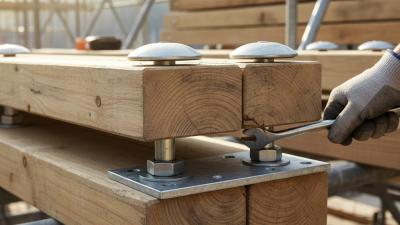
Consider a bolt passing through a wooden beam. Its square neck presses into the timber, while the nut receives tightening force without requiring a wrench on the head. In steel, the result depends more heavily on accurate hole sizing and suitable surface protection. Galvanized finishes may improve corrosion resistance, but they do not eliminate inspection needs. Moisture still finds edges and damaged coatings.
The choice is practical, not automatic. Not always. Engineers should check load direction, vibration, joint thickness, bolt grade, thread engagement, and installation access. A loose fit may allow movement. Excessive torque may crush softer materials or damage threads. These limitations are easy to overlook on a busy worksite. Reliable fastening comes from matching the Square Neck Bolt to the joint, then verifying the installation rather than trusting appearance alone.
What Are Square Neck Bolts?
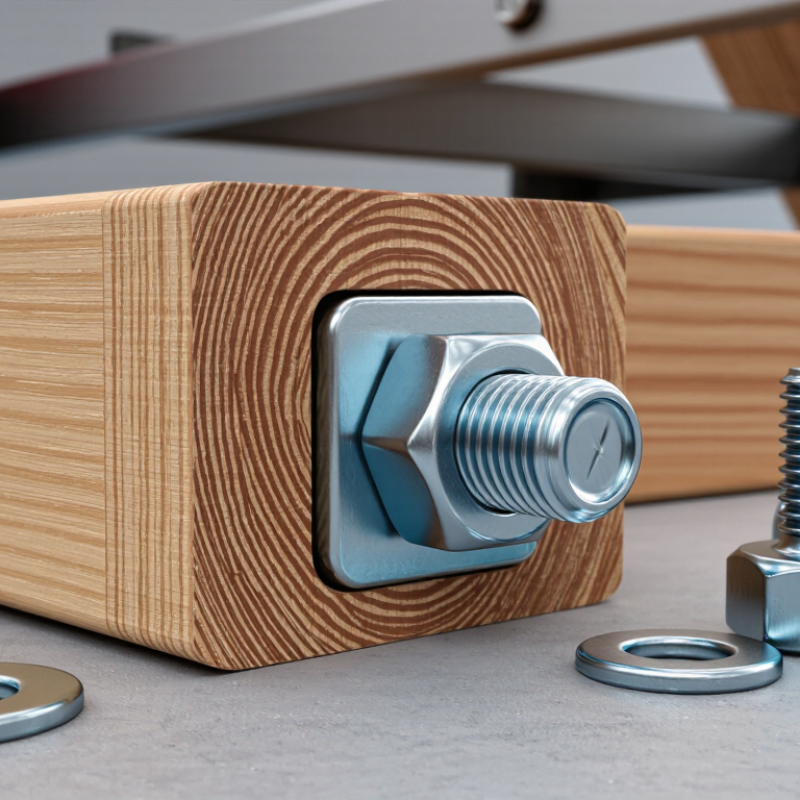
A square neck bolt has a square section directly beneath its rounded or domed head. This neck locks into a matching hole when the nut is tightened. The bolt usually passes through wood, sheet metal, or a prepared steel connection. Unlike a fully round bolt, it resists turning during installation. One tool is often enough.
The square neck creates a simple mechanical lock. As the nut turns, the neck presses against the hole’s sides. This feature is useful where the rear of the joint is difficult to reach. Fencing, timber framing, outdoor equipment, and light structural assemblies commonly use this fastening method. Correct hole size matters. A loose opening can let the neck spin.
Material selection also deserves attention. Zinc-coated steel can help in ordinary outdoor conditions, while stainless steel suits damp or corrosive environments. However, corrosion resistance is not unlimited. Dissimilar metals may still react, especially near saltwater. I have seen installers focus on bolt strength but ignore the washer and surrounding material. That shortcut caused uneven pressure and surface damage.
Installation should include a flat washer, a compatible nut, and controlled tightening. Excessive torque may crush wood fibers or deform thin sheet metal. Insufficient torque allows movement and vibration. Check the joint after use, because wood can shrink as it dries. The square neck is practical, not magical. It works best when the hole, load, material, and tightening method are properly matched.
Why Choose Square Neck Bolts for Secure Fastening?
Square neck bolts are designed to resist turning during tightening because the square section under the head engages with the installation material. The chart shows the nominal tensile stress area of common coarse-thread metric sizes, providing a practical reference for comparing threaded load-bearing capacity.
Reference values: nominal tensile stress areas for common coarse-thread metric fastener sizes. Actual fastening performance also depends on bolt property class, joint design, tightening torque, washer selection, material strength, and installation conditions.
How Does the Square Neck Prevent Bolt Rotation?
Why Choose Square Neck Bolts for Secure Fastening?
How Does the Square Neck Prevent Bolt Rotation?
A square neck bolt has a short, four-sided section beneath its rounded head. During installation, this section drops into a matching square or countersunk hole. Its flat sides press against the hole walls, stopping the bolt from turning as the nut is tightened. This simple shape is especially useful when the bolt head is difficult to reach with a wrench.
In practical assembly work, the difference becomes clear. Hold a square neck bolt through a timber joint, then tighten the nut from the opposite side. The neck grips the surrounding material while the nut turns. Your other hand may only need to guide the bolt. Less movement means steadier clamping and fewer damaged surfaces.
Fit matters greatly.
A loose hole can defeat the design. If the square opening is oversized, worn, or filled with debris, the neck may rotate inside it. Softer wood can also compress under heavy tightening, reducing the grip. Inspect the hole, keep the bearing surfaces clean, and choose a bolt with a suitable neck length. A washer can spread pressure beneath the nut, but it cannot correct a poor fit. In my experience, moderate tightening often performs better than excessive force, although the correct torque still depends on the material and joint design. Pretension should be checked after the joint settles.
Which Materials and Designs Are Available?
Material choice often determines whether a square neck bolt remains dependable outdoors or inside a dry workshop. Low-carbon steel offers strength and reasonable cost for general structural fastening. Hot-dip galvanized steel adds a thicker zinc coating for fences, timber frames, and exposed equipment. The coating can resist moisture, but scratches may still become rust points.
Stainless steel suits damp areas, food-processing spaces, and coastal conditions. Grades differ, so the environment should guide the selection. Brass provides attractive color and useful corrosion resistance, but it is softer than steel. That difference matters.
Design affects installation speed and holding power. A traditional carriage bolt has a rounded head and square neck. The neck bites into wood or a prepared hole, limiting rotation during nut tightening. Full-thread versions work well with thin materials and adjustable joints. Partial-thread designs can provide stronger clamping across thicker sections. Domed heads reduce snagging, while flat or countersunk heads sit closer to the surface. Serrated shoulders are available for tougher anti-rotation performance.
In field assembly, I check the neck size before drilling. A loose hole allows spinning. Too tight, and the bolt may damage the material. Washers help distribute pressure against soft timber or thin sheet metal. I once selected stainless bolts for a wet project but ignored the matching washer material. The joint held, yet staining appeared around the washers. That small oversight changed my inspection routine. Load tables and supplier test data should guide final sizing, especially where vibration or repeated movement is expected.
Where Are Square Neck Bolts Commonly Used?
Why Choose Square Neck Bolts for Secure Fastening?
Square neck bolts are commonly used in timber construction, outdoor structures, agricultural equipment, and light structural assemblies. Their square section sits beneath the head and bites into wood or soft materials during tightening. This helps prevent the bolt from turning when access is limited to one side. The rounded head also leaves fewer exposed edges, which is useful on benches, fencing, trailers, and playground frames.
Timber remains a major application. FAO forestry statistics report global roundwood production at roughly 3.9 billion cubic metres in 2022, supporting continued demand for reliable wood connections. In practical installations, workers often select galvanized or stainless steel square neck bolts for decks, gates, and outdoor frames. The choice depends on moisture, load, and contact with dissimilar metals. A bolt that looks suitable may still corrode early.
Industrial use is also common. The Industrial Fasteners Institute and ASME B18.5 provide dimensional guidance for carriage-style bolts, including head and neck geometry. Manufacturers use them in equipment guards, sheet assemblies, and vehicle-related fixtures where a smooth outer head is preferred. Proper hole sizing matters. If the square neck does not seat fully, the bolt can spin during tightening. That small mistake is easy to miss. It deserves more attention than it usually receives.