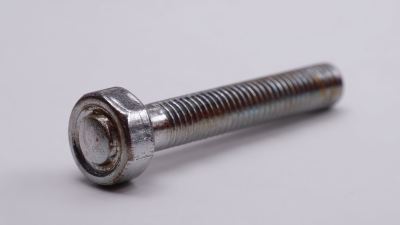
Choosing a High Quality Carriage Bolt is not a matter of picking the brightest box on a hardware shelf. The right bolt must resist movement, fit the joint accurately, and survive its working environment. A rounded head, square neck, and clean threads reveal useful clues. They do not tell the whole story.
Richard T. Barrett, author of the NASA Fastener Design Manual, emphasized a practical truth: “The fastener is usually the least expensive part of a joint, but it is often the most important.” That warning still matters when a carriage bolt supports a timber frame, secures outdoor equipment, or holds a metal bracket under vibration. Small defects can become expensive failures.
This guide examines seven practical checks for selecting a High Quality Carriage Bolt. We will look at steel grade, dimensional accuracy, thread condition, surface finish, corrosion resistance, head and neck design, and supplier documentation. A strong bolt should show consistent plating, sharp but undamaged threads, and a square neck that seats firmly without excessive force. Test the fit before installation. It can expose problems early.
Some choices are less obvious. A stainless bolt may resist rust but provide different strength and galling behavior. A zinc-plated bolt may suit a dry indoor joint but disappoint outdoors. I have seen buyers focus on appearance and overlook load requirements. That is an easy mistake.
Quality is not perfection. It is evidence, consistency, and suitability for the actual joint. Evaluate the details before trusting the hardware.
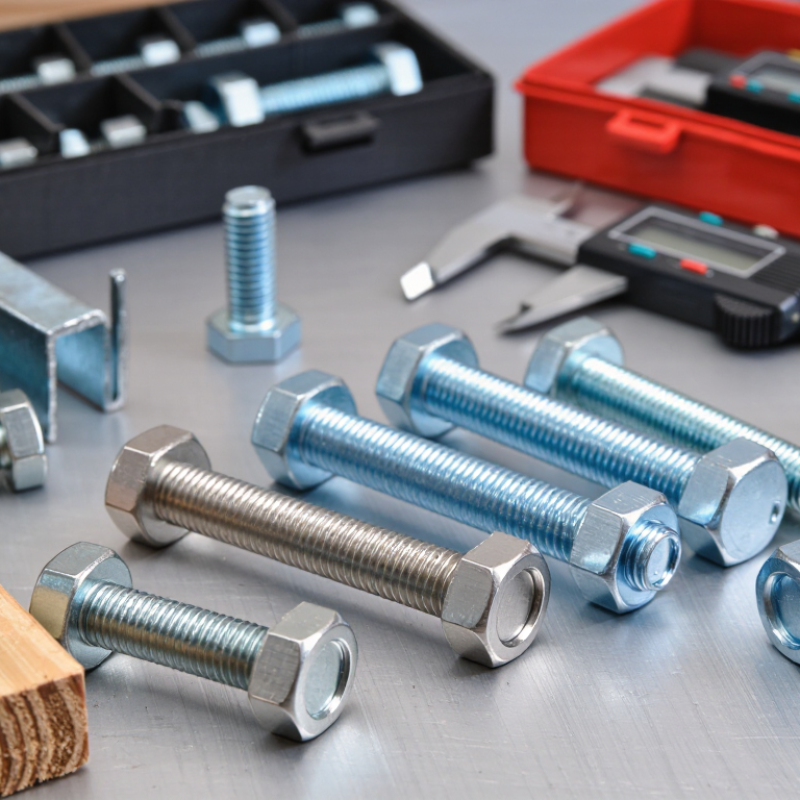
A carriage bolt has a smooth, domed head and a square neck beneath it. The neck grips the material and limits rotation during tightening. Standard neck bolts suit timber joints, benches, fencing, and general construction. Short-neck versions work better with thinner boards. Ribbed-neck designs can bite into softer wood. Fit comes first. Measure twice.
Material selection should follow the working environment. Zinc-plated steel suits dry indoor projects and moderate exposure. Stainless steel resists moisture and is useful near water, but it may cost more. Galvanized steel offers stronger outdoor protection when coatings remain intact. Check the bolt grade, diameter, length, and thread condition. Do not guess. A bolt that is too long can snag clothing or leave an untidy projection.
The joint itself determines the best choice. For wood-to-wood connections, confirm that the square neck can seat fully without splitting the board. For metal assemblies, use a compatible hole size and a washer under the nut. Heavy loads require verified strength data, not appearance alone. Inspect threads for crushed sections and reject bolts with damaged plating. I once selected a neck that was too short; tightening felt secure, but the head slowly loosened under movement. That mistake reinforced a useful lesson: application details matter more than a polished finish. Check local engineering requirements when safety-critical structures are involved.
Material quality is the first checkpoint. Select bolts with traceable heat numbers, mill certificates, and consistent head markings. Carbon steel suits many structural joints, while stainless steel helps resist moisture and chemical exposure. Do not assume a bright zinc finish proves strength. Coating protects the surface, not the core metal.
Strength grade must match the joint. ISO 898-1 lists property class 8.8 bolts with a minimum tensile strength of 800 MPa and yield strength near 640 MPa. Class 10.9 reaches about 1,040 MPa tensile strength and 940 MPa yield strength. SAE J429 reports similar distinctions, with Grade 5 at 120 ksi tensile strength and Grade 8 at 150 ksi. Check the actual marking. Supplier descriptions can be vague.
Load capacity needs more than a headline rating. Calculate tension, shear, tightening preload, hole clearance, and joint friction. A larger bolt can still fail when the wood, plate, or weld nut is weaker. Inspect thread accuracy, square-neck fit, hardness, and corrosion marks. I once trusted a clean-looking batch too quickly. That was a useful mistake. Request sample testing, dimensional reports, and coating details. Remember that published strength assumes correct installation, not a loose wrench fit.
Choosing high-quality carriage bolts starts with accurate sizing, not appearance. Measure the material stack before ordering. The bolt should pass through every layer and leave enough thread for full nut engagement. Too much exposed thread can snag equipment or invite corrosion. Too little thread reduces clamping security.
Size matters. Match the diameter to the expected load and the hole clearance. A loose hole may allow movement under vibration. A tight hole can damage coatings during installation. Thread pattern is equally important. Metric threads must use matching metric nuts, while inch-based coarse and fine threads are not interchangeable. Coarse threads usually suit softer materials and faster assembly. Fine threads can provide better adjustment and stronger engagement in some applications. Check the pitch, not just the diameter.
Head design affects both fit and service life. The rounded head gives a clean outer surface, while the square neck resists turning inside wood or a prepared slot. Confirm that the neck fits the hole shape. A low-profile head may help where clearance is limited, but it can offer less resistance to turning. During workshop inspections, I look for clean thread crests, even plating, and a firmly formed head. Surface color alone proves little. I once trusted a polished finish and overlooked damaged threads. That was a poor check. Use a thread gauge when possible, inspect the bolt under bright light, and follow verified torque guidance for the selected material and size.
Choosing high quality carriage bolts starts with the environment. Indoor furniture needs less protection than a coastal trailer. Salt, moisture, fertilizers, and road grit can quickly attack exposed steel. Identify the service conditions before comparing prices. I have seen bright bolts rust early because appearance replaced proper evaluation.
Check the base material and coating together.
Zinc plating offers practical protection for many indoor and light outdoor applications. Hot-dip galvanizing provides a thicker layer for harsher exposure, but coating buildup may affect thread fit. Stainless steel resists corrosion well, although it can gall during tightening.
Examine the surface for bare spots, blisters, uneven color, or damaged corners. Shiny is not proof. Confirm coating thickness and test results from the supplier. Salt-spray data can help, but it cannot perfectly represent real weather.
Choose compatible nuts and washers to reduce galvanic corrosion.
Inspect the square neck and threads after treatment. The bolt should seat firmly without forcing the material. Ask for batch records, material certificates, and applicable test methods, such as salt-spray testing under recognized standards.
Store bolts dry, separated from wet timber and chemicals. Retighten carefully after installation, because excessive torque can damage protective layers. My own preference is cautious selection over impressive packaging. Yet even careful choices need periodic inspection, especially where water collects beneath the bolt head.
Choosing high-quality carriage bolts starts with the manufacturing record, not the shiny head. Ask for material certificates, heat-treatment details, and a traceable lot number. A reliable producer should identify the steel grade, tensile class, thread tolerance, and coating process. Check whether testing follows recognized ISO or ASTM requirements. Do not accept “industrial grade” without documents. It sounds useful, but proves little. Inspect the square neck and domed head for clean forming, even edges, and no cracks. In workshop checks, small burrs often caused poor seating.
Fit deserves equal attention. Measure the hole diameter, panel thickness, neck size, and thread length before ordering. The square neck must grip firmly without crushing the material. Test one bolt in the actual assembly. It should pass smoothly, then resist turning during nut installation. Confirm that the thread engages fully without binding. A bolt that is too long may leave exposed threads and invite damage. A bolt that is too short can lose proper engagement. Drawings help. Real samples help more.
Supplier reliability appears in communication and consistency. Request a sample, inspection report, packaging details, and a realistic delivery schedule. Ask how nonconforming parts are separated and corrected. Good answers are specific. Vague promises are not evidence. Review delivery records when available, including lot variation and response time. Keep written specifications and approval samples. I once focused too heavily on price and overlooked coating uniformity. That mistake taught me to compare total risk, not unit cost. Careful checks can still miss problems, so retain inspection records and recheck bolts after storage.